




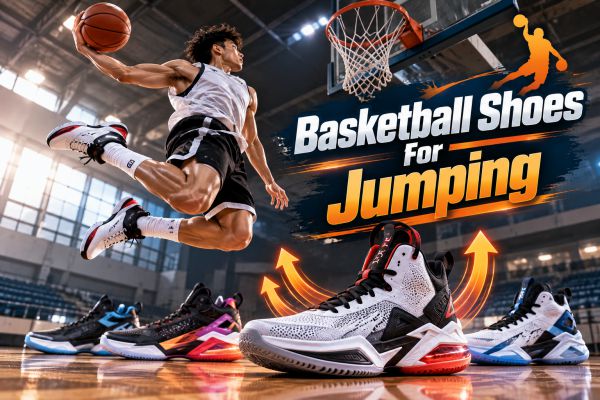
Finding the best basketball shoes for jumping is essential for players looking to maximize their vertical bounce, elevate explosively for rebounds, and protect their joints upon landing. Jumping is one of the most mechanically demanding actions on a basketball court, requiring an optimal balance between energy return, forefoot flexibility, and heavy shock absorption.
Wearing footwear with thin or unresponsive midsoles drains kinetic energy during launch and forces your knees and ankles to absorb heavy impact forces when coming back down. Conversely, shoes that are overly heavy or clunky reduce jump velocity and slow down your second-jump responsiveness.
To elevate higher while safeguarding your knees and ankles from long-term wear, you need footwear engineered with responsive cushioning units, rigid propulsion plates, and high-traction stability platforms. This comprehensive guide breaks down the physics of vertical jumping, key performance features to look for, targeted shoe profiles, and practical landing tips.
Essential guide to footwear built for jumping and landing
Understanding the physics of takeoff velocity and landing impact
The vertical jump in basketball consists of two critical mechanical phases: the takeoff launch and the landing impact:
- Energy transfer during takeoff: Whether jumping off two feet from a plant or taking off one foot on a drive, kinetic energy transfers from the court through your midsole into your lower legs. A responsive cushioning setup stores this force and springs back instantly, boosting your takeoff momentum.
- Severe landing deceleration: Upon landing after a jump, your feet absorb three to five times your total body weight in impact force. Without adequate heel and midfoot shock absorption, these forces travel directly into your knees, hips, and lower back, leading to jumper’s knee (patellar tendinitis) or shin splints.
- Second-jump velocity: In contest scenarios—such as battling for offensive rebounds or double-jumping for tip-ins—a player needs a shoe that recovers its shape instantly without feeling mushy or absorbing too much launch energy.
Key technical elements that deliver vertical bounce and joint protection
Before buying your next pair of basketball shoes, evaluate prospective models against four core performance criteria engineered specifically for jumping and landing protection:
- High-response cushioning systems: Look for midsoles utilizing responsive air units or supercritical nitrogen-infused foams (such as Nike Zoom Air / Zoom Strobel, Li-Ning Boom, or Puma Nitro). These systems compress under impact and bounce back rapidly, delivering energetic return during launch.
- Propulsion shank plates (Carbon fiber or TPU): A rigid plate positioned between the midsole and outsole acts like a springboard. It limits energy loss in the midfoot, provides snap upon toe-off, and evenly distributes landing forces across the footbed to prevent arch fatigue.
- High-containment heel counters and lockdown: Elevation requires full power transfer, which is impossible if your heel lifts or slides inside the shoe. A stiff internal heel counter and multi-point lacing system keep your rearfoot centered directly over the cushion stack during jump plants and heavy landings.
- Broad outsole footprints and outriggers: Landing in traffic or on an uneven surface poses an immediate risk of ankle rolls. A wide outsole platform equipped with an extended lateral outrigger near the pinky toe stabilizes your landing footprint, ensuring your ankles stay aligned as your body absorbs the impact.
Basketball shoes for jumping
Shoe profiles tailored to different takeoff techniques and positions
When searching for the best basketball shoes for jumping, matching the shoe’s cushioning profile to your specific takeoff style yields the best court results:
- For one-foot jumpers and fast slashers (Speed & Springy Response)
- Focus: Lightweight builds, full-length Zoom or supercritical foam, smooth heel-to-toe transition.
- Top Shoe Profiles: Models designed for high-flying guards and wings—such as the Li-Ning Way of Wade 10 / 11 series, Nike Air Jordan main line, or Nike Sabrina series—feature full-length carbon plates and springy forefoot units that optimize velocity and one-foot takeoff momentum.
- For two-foot jumpers and heavy rebounders (Maximum Cushion & Impact Protection)
- Focus: Thick double-stacked air units, dense foam cores, heavy-duty heel containment.
- Top Shoe Profiles: Robust high-impact performers—such as the Nike LeBron main line, 361° Joker series, or adidas Anthony Edwards line—deliver massive shock absorption to protect knees and lower backs during repetitive two-foot landings in traffic.
- For multi-jumpers and versatile defenders (Quick Energy Return)
- Focus: Low-profile responsive cushioning, lightweight court feel, rigid midfoot shanks.
- Top Shoe Profiles: Versatile setups like the Puma All-Pro Nitro, New Balance TWO WXY line, or Nike KD series offer balanced energy return without feeling bulky, enabling fast second-jump recovery around the rim.
Landing techniques and cushioning care to preserve joint health
Maximizing your vertical height while keeping your knees healthy requires combining supportive footwear with smart physical habits:
- Land with soft knees and midfoot contact: Avoid landing with locked knees or slapping the court heel-first after a jump. Aim to absorb impact through the balls of your feet while immediately flexing at the knees and hips. This allows your leg muscles—rather than your joints—to absorb kinetic force alongside the shoe’s midsole.
- Monitor midsole foam compression: Over time, foam midsoles lose their elasticity and structural resistance under repeated landing impacts. If you notice unusual knee stiffness or shin soreness after jumping sessions, your shoe’s cushioning stack may have compressed permanently and requires replacement.
- Insole upgrades for extra launch and impact absorption: If you need additional arch support or extra landing dampening, consider replacing factory insoles with specialized performance insoles (such as TPU-gel or carbon-reinforced insoles). This enhances midfoot rigidity and adds another layer of shock absorption under the heel.
Summary
Elevating your vertical leap and staying injury-free demands footwear engineered for energy transfer and landing protection. Prioritize responsive air or supercritical foam cushioning, rigid propulsion shank plates, and wide stable outsoles over cosmetic trends. Choosing shoes built specifically for jumping mechanics will increase your launch power, cushion your landings, and keep you bouncing with total confidence every game.
Related Posts
Basketball Shoes For Wide Feet: Maximum Comfort And Lockdown
Finding the best basketball shoes for wide feet is often an exhausting trial-and-error process for players who struggle with standard retail models. Most modern performance basketball shoes are built on narrow lasts derived from professional player profiles, leaving wide-footed players to deal with severe midfoot pinching, painful lateral blowouts, bruised pinky toes, and restricted blood […]
Basketball Shoes For Ankle Support: Lockdown & Grip
Searching for the best basketball shoes for ankle support is a top priority for players dealing with previous ankle sprains, weak ligaments, or the fear of landing awkwardly on another player’s foot. Ankle injuries represent the most common trauma in basketball, often sidelining players for weeks or resulting in chronic instability if not protected properly. […]
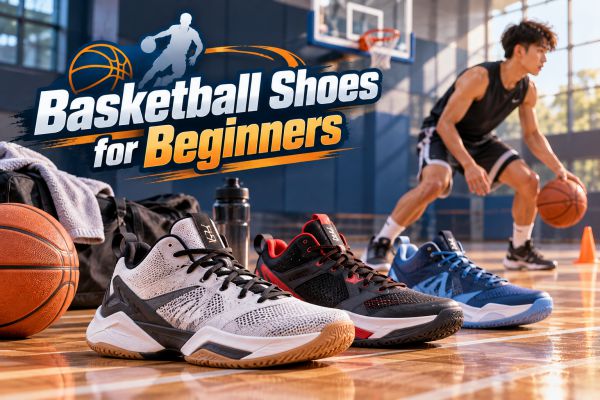
How To Choose the Right Basketball Shoes For Beginners
Selecting the best basketball shoes for beginners is a crucial first step when entering the sport. Unlike experienced players who already know their exact court position, foot mechanics, and brand preferences, new players need footwear that offers all-around protection, reliable comfort, and great value for money. Stepping onto a basketball court introduces foot movements that […]
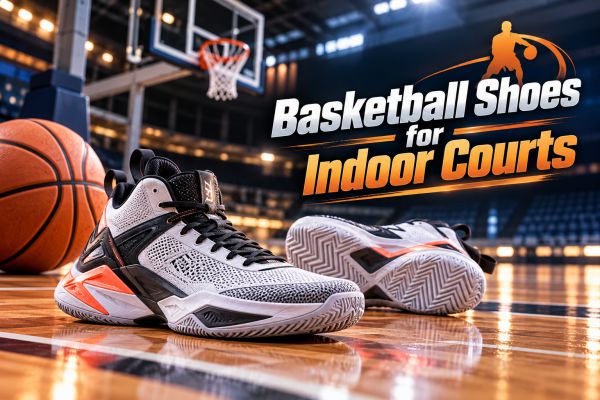
Basketball Shoes For Indoor Courts: Balancing Hardwood Grip And Explosive Responsiveness
Selecting the best basketball shoes for indoor courts allows players to unlock their full athletic potential. Unlike rough concrete blacktops that shred outsoles within weeks, indoor hardwood and synthetic courts offer a clean, springy playing surface. This controlled environment enables manufacturers to utilize softer, sticky rubber compounds and ultra-responsive cushioning systems designed purely for elite […]