





If you find yourself asking, “Are Basketball Shoes Good for Running?“, the quick answer is no—they are generally not recommended for regular running or long-distance workouts. While both running shoes and basketball sneakers are designed for athletic performance, they are engineered for fundamentally opposite movement patterns and biomechanics. Basketball shoes are built for multi-directional stability, heavy lateral cuts, vertical jumping, and sudden stops, whereas running shoes are built strictly for forward linear motion, foot transition, and repetitive stride absorption.
In this detailed performance guide, we will break down whether basketball shoes are good for running, how their heavy construction impacts your stride, and the injury risks associated with using them on the track or pavement.
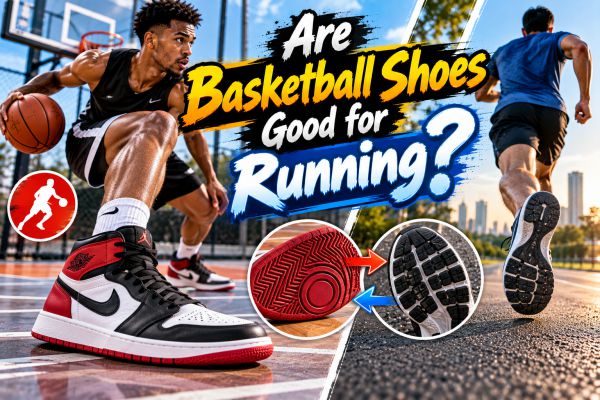
Are Basketball Shoes Good for Running?
Detailed performance comparison: Are basketball shoes good for running?
To understand why basketball footwear is ill-suited for running, let’s examine how court-oriented engineering conflicts with running mechanics across motion design, cushioning, weight, and long-term joint health.
How movement design impacts running mechanics
Understanding the distinction between multi-directional court movements and forward linear running reveals why each shoe category exists.
- Multi-Directional vs. Forward Linear: Basketball shoes feature wide, flat outsoles, high ankle collars, and rigid lateral outriggers designed to lock the foot in place during side-to-side cuts, defensive shuffles, and sudden decelerations. Conversely, running shoes feature a curved, rockered sole profile that encourages a smooth heel-to-toe transition specifically for moving forward.
- Flexibility and Stride Economy: Running requires a flexible forefoot that allows your toes to bend naturally at toe-off. Basketball shoes feature stiff midfoot shanks and rigid soles to prevent twisting on the court, which restricts your foot’s natural flex and leads to early foot fatigue when running straight distances.
Key differences in cushioning and weight
The underfoot padding and overall mass of basketball shoes create significant disadvantages during repetitive running strides.
- Heavy Weight Profile:
- Basketball sneakers prioritize durability, thick uppers, and heavy-duty lateral support, making them noticeably heavier than running shoes.
- Carrying this extra weight over miles increases muscle strain on your hip flexors, calves, and hamstrings, drastically reducing your running efficiency.
- Cushioning and Shock Absorption:
- Basketball cushioning (such as thick air units or dense foam midsoles) is tuned to absorb high-impact vertical landings from jumping rather than continuous, repetitive low-impact forward foot strikes.
- Running shoes utilize lightweight, energy-returning foams designed specifically to dampen the linear impact of thousands of foot strikes without adding unnecessary bulk.
Injury risks and long-term durability
Using the wrong shoe for running not only feels uncomfortable but can also lead to chronic overuse injuries over time.
- Potential Injury Risks:
- Running long distances in stiff, heavy basketball shoes can lead to issues such as shin splints, plantar fasciitis, Achilles tendonitis, and lower back discomfort due to improper shock absorption and lack of foot flexibility.
- The wide, rigid base of a basketball shoe forces an unnatural stride cadence on pavement or treadmills.
- Outsole Wear and Tear:
- Basketball shoe outsoles feature soft or tacky rubber tread patterns optimized for hardwood court traction.
- Running continuously on rough asphalt or concrete will rapidly grind down the traction patterns, ruining the shoe for actual basketball games.
Conclusion
So, are basketball shoes good for running? While wearing basketball shoes for short warm-up sprints or light gym warm-ups is fine in a pinch, they are not good for dedicated running, jogging, or long-distance cardio. Their heavy weight, rigid lateral support, flat sole profiles, and stiff cushioning directly conflict with the natural heel-to-toe transition required for healthy running biomechanics. If your workout routine involves regular running, investing in a proper pair of lightweight, flexible running shoes is essential to optimize your stride, improve comfort, and protect your joints from injury.
Related Posts
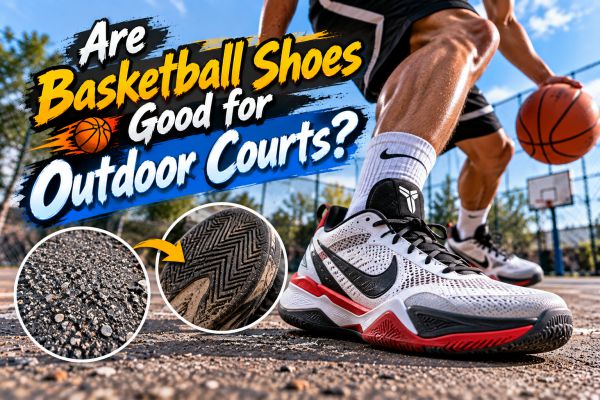
Are Basketball Shoes Good for Outdoor Courts? On-Court Guide
If you are asking yourself, “Are Basketball Shoes Good for Outdoor Courts?“, the short answer is yes—but with several important caveats. While basketball shoes are fundamentally designed to handle the intense lateral movements, rapid accelerations, high-impact jump landings, and sudden stops inherent to the game, not all basketball shoes are built to survive the harsh […]

Are Ja Morant Shoes Good? On-Court Performance Review
If you are wondering, “Are Ja Morant Shoes Good?“, you are not alone. As one of Nike’s most popular signature basketball lines, Ja Morant’s signature sneakers (such as the Ja 1 and Ja 2) have gained massive attention for their eye-catching colorways, accessible price point, and direct connection to one of the NBA’s most electrifying […]
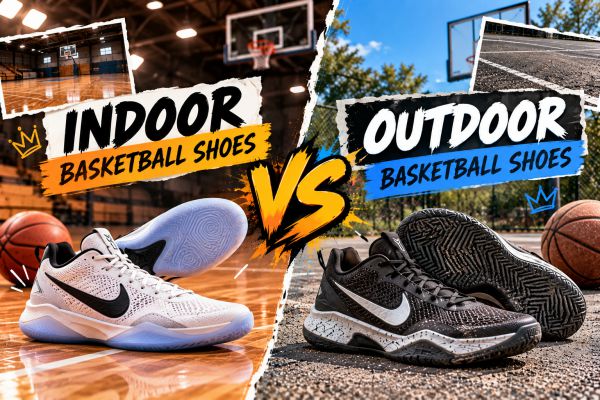
Basketball Shoes vs Training Shoes: Which One Do You Need?
Choosing between Indoor vs Outdoor Basketball Shoes is one of the most critical decisions a hooper can make when buying a new pair of kicks. While both types of basketball shoes may look nearly identical on the shelf, they are engineered with vastly different rubber compounds, outsole patterns, and upper materials. Wearing an indoor shoe […]
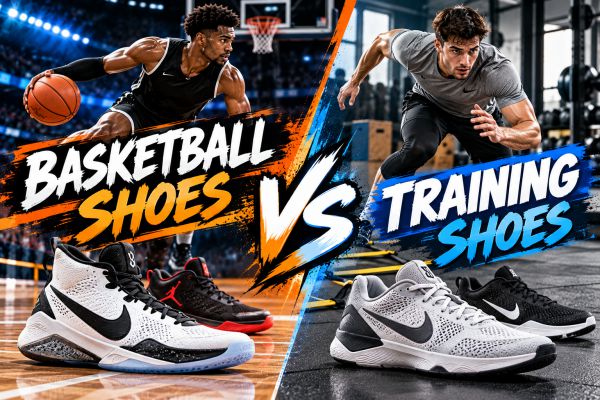
Basketball Shoes vs Training Shoes: Which One Do You Need?
Choosing between Basketball Shoes vs Training Shoes is a common point of confusion for athletes and gym-goers alike. At first glance, both sneaker categories appear to offer supportive uppers, cushioned midsoles, and durable outsoles designed for athletic movements. However, basketball shoes and cross-training shoes are engineered for entirely different physical demands, biomechanics, and surface interactions. […]