




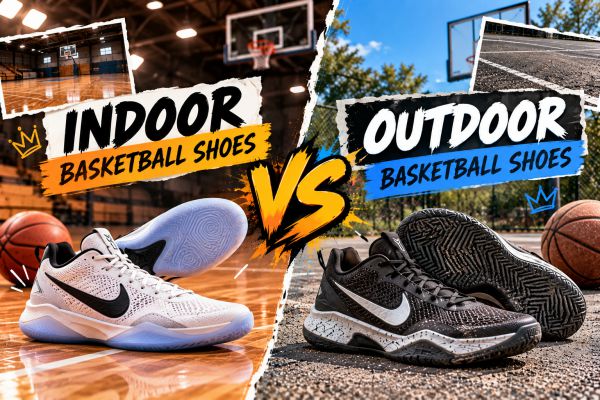
Choosing between Indoor vs Outdoor Basketball Shoes is one of the most critical decisions a hooper can make when buying a new pair of kicks. While both types of basketball shoes may look nearly identical on the shelf, they are engineered with vastly different rubber compounds, outsole patterns, and upper materials. Wearing an indoor shoe on harsh outdoor concrete will quickly shred its traction, while taking a rigid outdoor shoe onto a dusty hardwood court can leave you sliding out during key plays.
In this detailed performance review, we will break down Indoor vs Outdoor Basketball Shoes across all key technical factors so you can choose the right footwear for your court surface.
Detailed performance comparison: Indoor vs outdoor basketball shoes
To help you decide which shoe belongs on your court, let’s examine how both categories differ in court compatibility, cushioning, traction, fit, and long-term durability.
Which court surface fits each shoe type?
Understanding the physical environment you play on is the first step in selecting the proper basketball sneaker.
- Indoor Basketball Shoes: Designed specifically for clean, finished hardwood or synthetic indoor gym floors. These shoes prioritize lightweight agility, plush impact protection, and soft, tacky rubber outsoles that bite clean wood surfaces for instant stops and cuts.
- Outdoor Basketball Shoes: Built to withstand abrasive asphalt, rough concrete, and painted outdoor courts. They feature heavy-duty constructions, reinforced uppers, and dense rubber outsoles designed to handle constant friction, grit, and harsh weather conditions.
Indoor vs Outdoor Basketball Shoes
Key differences in cushioning and traction
The underfoot build reveals the primary performance trade-offs between playing indoors versus outdoors.
- Cushioning:
- Indoor Basketball Shoes: Can afford to use softer, highly springy foam setups (like Nike ZoomX or Adidas Lightstrike Pro) because indoor wooden floors already offer a degree of natural impact absorption.
- Outdoor Basketball Shoes: Require thicker, firmer, and more shock-absorbent midsoles (such as thick EVA, Boost, or dual-density foams) to protect your knees, heels, and joints against unrelenting concrete surfaces.
- Traction:
- Indoor Basketball Shoes: Utilize soft, pliable rubber compounds with thin, intricate herringbone or multi-directional tread patterns. This soft rubber grips polished gym floors effortlessly but wears down almost instantly on concrete.
- Outdoor Basketball Shoes: Feature hard, dense rubber outsoles (often labeled with XDR or outdoor rubber tags) with wider, deeper tread grooves that won’t clog with dirt or wear away quickly under high-friction play.
Fit and surface durability
Upper durability and structural support vary significantly depending on the court environment.
- Fit & Upper Support:
- Indoor Basketball Shoes: Use ultra-lightweight, breathable knits, thin mesh, and minimalist synthetic overlays to minimize shoe weight and optimize speed.
- Outdoor Basketball Shoes: Incorporate rugged materials like heavy-duty canvas, thick fuse overlays, and reinforced TPU toe caps to resist scuffing when dragging feet on rough asphalt.
- Surface Durability:
- Soft indoor outsoles can balden within a few weeks of outdoor play, causing a complete loss of grip.
- Outdoor-focused shoes maintain their tread depth over months of concrete play, though their firmer rubber may feel slightly stiffer on indoor courts.
Conclusion
When choosing between Indoor vs Outdoor Basketball Shoes, the ideal pair depends directly on where you spend the majority of your court time. If you primarily play inside clean gym facilities, investing in indoor shoes will give you unmatched grip, lightweight speed, and premium responsiveness. However, if your regular games take place on outdoor concrete courts, opting for outdoor shoes with hard rubber compounds and durable uppers is essential for protecting your joints and getting real value out of your purchase. Understanding your primary playing surface ensures you get peak performance and maximum durability out of every pair.
Related Posts
Basketball Shoes vs Training Shoes: Which One Do You Need?
Choosing between Basketball Shoes vs Training Shoes is a common point of confusion for athletes and gym-goers alike. At first glance, both sneaker categories appear to offer supportive uppers, cushioned midsoles, and durable outsoles designed for athletic movements. However, basketball shoes and cross-training shoes are engineered for entirely different physical demands, biomechanics, and surface interactions. […]
Nike GT Cut vs Nike Sabrina: How Do They Perform On Court?
Choosing between Nike GT Cut vs Nike Sabrina is a common dilemma for basketball players searching for the ultimate low-cut performance sneaker. Both signature and performance lines from Nike are built specifically with quick, agile hoopers in mind, offering exceptional court feel, lightweight support, and top-tier traction. However, while both shoes share a focus on […]
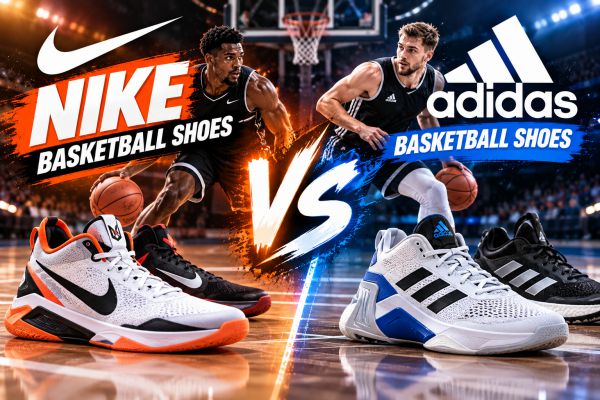
Nike Basketball Shoes vs Adidas Basketball Shoes: Which Brand Better Fits Your Game?
Choosing between Nike basketball shoes vs Adidas basketball shoes remains one of the most classic debates on the basketball court. Both sportswear giants dominate the market, boasting world-class athlete rosters, cutting-edge technologies, and performance lineups tailored to players of all skill levels. However, while both brands deliver top-tier performance, their underlying engineering philosophies, cushioning setups, […]
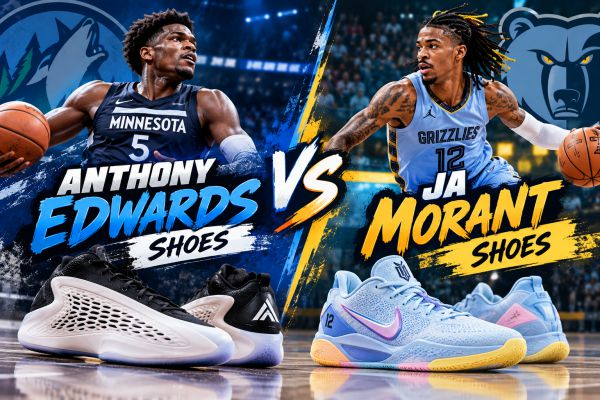
Anthony Edwards Shoes vs Ja Morant Shoes: Which On-Court Performance Suits You Best?
Choosing between Anthony Edwards Shoes vs Ja Morant Shoes is one of the toughest decisions for basketball players today. Both signature lines offer cutting-edge designs, top-tier performance, and accessible price points backed by two of the NBA’s most exciting superstars. However, while both sneakers deliver high-level performance, their on-court feel, cushioning, and stability cater to […]