




Selecting the best basketball shoes for beginners is a crucial first step when entering the sport. Unlike experienced players who already know their exact court position, foot mechanics, and brand preferences, new players need footwear that offers all-around protection, reliable comfort, and great value for money.
Stepping onto a basketball court introduces foot movements that daily running or casual sneakers simply cannot handle. Rapid side-to-side cuts, sudden acceleration stops, and jumping landings place intense force on muscles and joints that are still adapting to the game. Wearing improper shoes increases the risk of foot fatigue, painful blisters, or ankle sprains.
To build court confidence and protect your body while learning fundamental skills, you need a versatile pair of shoes with balanced cushioning, forgiving traction, and stable lockdown. This guide covers the physical demands new players face, key shoe features to prioritize, budget-friendly recommendations, and practical tips on fit and care.
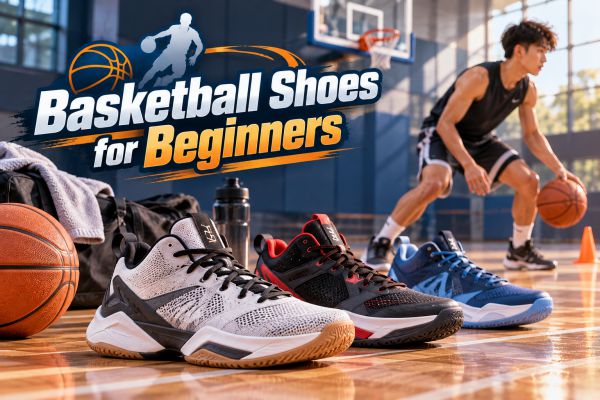
Basketball shoes for beginners
A complete selection guide to beginner basketball footwear
Understanding the physical learning curve for new basketball players
Starting basketball involves a steep physical adjustment for your lower body. Understanding these demands helps narrow down what your feet actually need during your first few months on the court:
- Unconditioned joint adaptation: Because beginners are still developing proper footwork, landing mechanics, and court awareness, joints experience erratic impact angles. Footwear must provide a stable safety net during awkward stops or off-balance landings.
- Position-neutral play: Beginners rarely stick to one rigid position. You might dribble on the perimeter, run fast breaks, and fight for rebounds in the same game. A hyper-specialized shoe (such as an ultra-minimalist guard shoe or a heavy center shoe) can hinder your learning process.
- Multi-surface usage: New players often practice anywhere a hoop is available—switching between indoor gym floors, schoolyard asphalt, and community park courts. The shoe needs to handle varying surface conditions without wearing out overnight.
Essential technical features every beginner needs in a shoe
Rather than getting lost in complex marketing terms or buying shoes based purely on famous athlete endorsements, focus on four fundamental performance pillars:
- Balanced, forgiving cushioning: Avoid midsoles that are overly thin (which offer zero landing protection) or overly soft and plush (which can feel unstable to new players). Look for resilient foam midsoles—such as Nike Renew/Reslon, adidas Bounce, or Puma ProFoam—that offer comfortable shock absorption while keeping your foot stable.
- Predictable, multi-directional traction: Safety starts with a reliable grip. Traditional herringbone or generative multi-directional tread patterns provide consistent stopping power on both clean and dusty courts, preventing dangerous slips when learning how to plant and pivot.
- Solid lateral containment and ankle support: Whether you choose a low-top or mid-top cut, ensure the shoe features a wide outsole footprint with an extended lateral outrigger near the pinky toe. A stiff heel counter inside the back of the shoe keeps your foot locked down over the midsole, preventing internal foot sliding and ankle rolls.
- Durable, flexible upper materials: Modern synthetic uppers, reinforced mesh, or textile weaves offer a great balance of breathability and structure. They require little to no break-in time, allowing your feet to feel comfortable right out of the box.
Shoe profiles tailored to versatile playstyles and budget constraints
When searching for the best basketball shoes for beginners, you do not need to spend top dollar on high-end flagship models. These shoe categories deliver maximum performance and protection at reasonable price points:
- For overall versatility and balanced performance (All-Around Performers)
- Focus: Balanced cushioning, comfortable uppers, stable midfoot lockdown.
- Top Shoe Profiles: Versatile budget and mid-tier models—such as the Nike Giannis Immortality series, adidas Dame Certified line, or Puma Triple—offer lightweight, highly adaptable setups that accommodate any playing style at an accessible price.
- For outdoor durability and court longevity (Rugged & Long-Lasting)
- Focus: Thick solid rubber outsoles, abrasion-resistant uppers, deep tread grooves.
- Top Shoe Profiles: Models designed specifically for harsh surfaces—like the Li-Ning Speed / Wade Fission series, Anta Shock Wave line, or Nike Precision series—provide heavy-duty rubber outsoles that withstand blacktop wear without tearing up your budget.
- For maximum comfort and joint protection (Cushion-Focused)
- Focus: Thicker midsole stacks, wide bases, extra heel padding.
- Top Shoe Profiles: Protective options such as the New Balance TWO WXY line or Nike G.T. Academy series deliver plush landing protection and stable footbeds, ideal for heavier beginners or players recovering from joint soreness.
Sizing, break-in period, and lacing tips for optimal comfort
Proper fit and usage habits ensure your basketball shoes perform safely and comfortably from day one:
- How to test for the right fit: Always try basketball shoes on while wearing thick performance socks. Stand up and ensure you have roughly half a thumb’s width of space between your longest toe and the tip of the shoe. Your toes should lay flat without feeling pinched from the sides.
- Managing the break-in process: Avoid wearing a brand-new pair of basketball shoes directly into an intense full-court game. Wear them around the house or during light shooting drills for two to three practice sessions first. This allows the upper materials and footbed to mold naturally to your foot shape.
- Lacing technique for ankle security: Utilize all lacing eyelets, including the top eyelet near your ankle collar. Tying your laces with firm, even pressure across the midfoot locks your heel firmly into the back heel cup. This eliminates heel slippage and prevents your toes from crashing into the front toe box during sudden stops.
Summary
As a beginner, your primary goal is to enjoy learning the game safely without worrying about foot pain or rapid shoe wear. Focus on shoes that deliver reliable multi-directional traction, supportive foam cushioning, and durable construction over high-priced trends. Choosing a balanced, well-fitting shoe will protect your joints, build your court stability, and help you play with confidence every time you step onto the floor.
Related Posts
Basketball Shoes For Indoor Courts: Balancing Hardwood Grip And Explosive Responsiveness
Selecting the best basketball shoes for indoor courts allows players to unlock their full athletic potential. Unlike rough concrete blacktops that shred outsoles within weeks, indoor hardwood and synthetic courts offer a clean, springy playing surface. This controlled environment enables manufacturers to utilize softer, sticky rubber compounds and ultra-responsive cushioning systems designed purely for elite […]
Basketball Shoes For Outdoor Basketball: Protecting Your Joints And Your Footwear
Selecting the best basketball shoes for outdoor basketball requires a completely different mindset than shopping for an indoor pair. While playing on polished hardwood provides natural shock absorption and preserves soft rubber outsoles, outdoor streetball courts act like sandpaper on your footwear while exerting harsh, unrelenting forces on your joints. Many players make the mistake […]
Basketball Shoes For Centers: Balancing Impact Cushioning And Court Stability
Finding the best basketball shoes for centers is one of the most critical footwear decisions a big man can make. While lightweight guards thrive on thin midsoles and razor-sharp court feel, centers operate in a high-impact zone dominated by physical post-up battles, heavy screen setting, violent box-outs, and intense landing impacts after contested rebounds. When […]
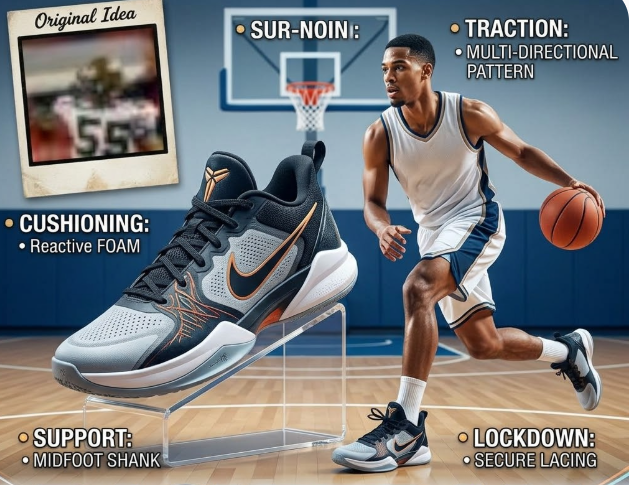
Basketball Shoes for Guards: What Matters Most on the Court?
Playing guard in basketball requires constant movement, quick reactions, and precise control. Whether you handle the ball as a point guard or create scoring opportunities as a shooting guard, your shoes influence how confidently you move on the court. Every acceleration, sudden stop, crossover, and defensive slide places different demands on your footwear. However, choosing […]