





Finding the NBA Signature Shoes that elevate your game means tapping into the absolute pinnacle of sports performance engineering. Designed in close collaboration with the league’s elite superstars—such as LeBron James, Anthony Edwards, Ja Morant, and Giannis Antetokounmpo—signature footwear represents more than just player branding; it embodies specialized technology built to handle the physical demands of high-level basketball.
Unlike general release team models, NBA signature shoes are customized around specific biomechanical profiles: explosive first steps, high-mass landing protection, sharp lateral cuts, and elite court feel. Whether you want to replicate your favorite player’s style or simply need footwear engineered for maximum lockdown and responsive cushioning, understanding what makes each signature line unique changes how you evaluate court gear.
This performance guide breaks down the engineering behind NBA signature lines, core technical pillars, playstyle compatibility, and practical fitting advice.
Evaluating signature footwear: What makes NBA signature shoes unique
The engineering philosophy behind superstar signature models
Designing a signature model for an NBA athlete requires footwear engineers to solve complex biomechanical challenges:
- Tailoring to specific footwork profiles: A signature shoe for an explosive downhill slasher requires completely different mechanical elements than a shoe designed for a heavy power forward. Every line prioritizes distinct traits, such as low-stack court feel or maximum impact absorption.
- Withstanding extreme athletic forces: NBA players subject their shoes to massive lateral torque, violent deceleration stops, and repeated high-volume vertical landings. Signature models integrate carbon fiber shank plates, rigid heel counters, and reinforced uppers to maintain structural integrity.
- Pushing innovation in cushioning and traction: Signature lines serve as the testing ground for advanced footwear technologies—such as supercritical nitrogen foams, full-length Zoom Strobel units, and generative multidirectional traction patterns.
Key technical pillars of top NBA signature lines
Before choosing a pair, look closely at the core performance features that define modern NBA Signature Shoes:
- High-response cushioning stacks
Signature models feature customized cushioning setups. Lines built for speed incorporate low-profile forefoot Zoom Air or responsive nitrogen foam, while lines built for power utilize max-volume hybrid foam-and-air setups to protect joints during heavy landings. - Rigid midfoot shanks and torsional support
To prevent energy loss during foot flex and protect arches from twisting, signature shoes embed rigid carbon fiber or TPU shank plates between the heel and forefoot, providing snappy transitions from launch to landing. - Customized lateral containment and outriggers
High-speed cuts generate heavy outward force. Signature shoes incorporate extended lateral outriggers, raised midsole sidewalls, or external TPU cages to lock your foot securely over the footbed.
Matching NBA signature lines to your position and playstyle
When considering NBA Signature Shoes, ensure your personal playstyle aligns with the player archetype the shoe was built to support:
- For quick guards and perimeter playmakers (Nike Ja & adidas AE Lines)
- Focus: Minimalist stack heights, springy forefoot pop, biting multi-directional traction.
- Verdict: Ideal for players who prioritize speed, sudden step-back stops, and rapid crossover acceleration.
- For power forwards, centers, and heavy drivers (Nike LeBron Line)
- Focus: Max-volume cushioning stacks, rigid midfoot shank plates, heavy-duty heel containment.
- Verdict: Best for players needing maximum shock absorption and joint protection to absorb contact in the paint.
- For agile slashers and two-way players (Nike Giannis Freak Line)
- Focus: Responsive forefoot Zoom Air, wide outrigger bases, flexible containment.
- Verdict: Perfect for versatile players who rely on Eurosteps, open-court transitions, and quick multi-angle direction changes.
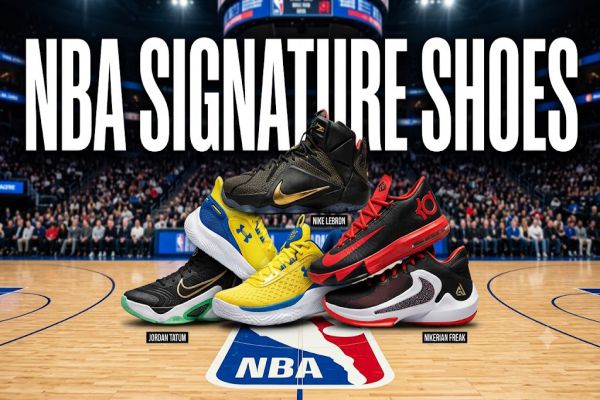
NBA Signature Shoes
Essential tips for sizing, break-in, and court longevity
Getting the absolute best performance out of your signature footwear requires proper care and fitting habits:
- Nailing the performance fit: Signature shoes are sculpted for snug, athletic containment. Players with standard-width feet can generally go true-to-size, while wide-footed players should carefully evaluate midfoot width or consider sizing up by a half-size.
- Managing the break-in window: Due to rigid shank plates and structured support cages, signature shoes typically require two to three practice sessions to fully flex and conform to your dynamic foot movements.
- Indoor vs. outdoor court usage: Most top-tier NBA signature models utilize soft, sticky rubber compounds designed for polished indoor hardwood. Wearing them on rough outdoor concrete will accelerate tread wear and reduce the lifespan of the traction pattern.
Summary
The NBA Signature Shoes landscape offers basketball players unprecedented access to pro-tested performance technology. By choosing a signature line engineered specifically for your playing style, cushioning needs, and court environment, you can step onto the floor with enhanced stability, joint protection, and complete confidence.
Related Posts
Basketball Shoes Worn By NBA Players: Performance Secrets Revealed
Finding the Basketball Shoes Worn by NBA Players is the ultimate shortcut for hoopers looking to upgrade their game with pro-tested technology. When millions of fans watch games every week, they aren’t just watching elite athletes score highlight-reel baskets—they are witnessing the absolute pinnacle of footwear engineering being pushed to its absolute limits. Unlike casual […]
Giannis Basketball Shoes: Eurostep Agility and Explosive Power
Finding the Giannis Basketball Shoes lineup that matches your playing style means tapping into Nike’s premier tier of footwear engineered for relentless downhill attack and explosive lateral mobility. Designed in partnership with NBA MVP Giannis Antetokounmpo, the Giannis signature series (featuring popular models like the Freak series, Giannis Immortality, and latest iterations) is built specifically […]
LeBron Basketball Shoes: Maximum Impact Protection and Power
Finding the LeBron Basketball Shoes lineup that fits your game means stepping into Nike’s premier tier of high-performance power footwear. Designed in collaboration with NBA legend LeBron James, the LeBron signature series (including iconic models like the LeBron 21, LeBron 22, and latest iterations) is engineered for athletes who demand maximum shock absorption, explosive power […]
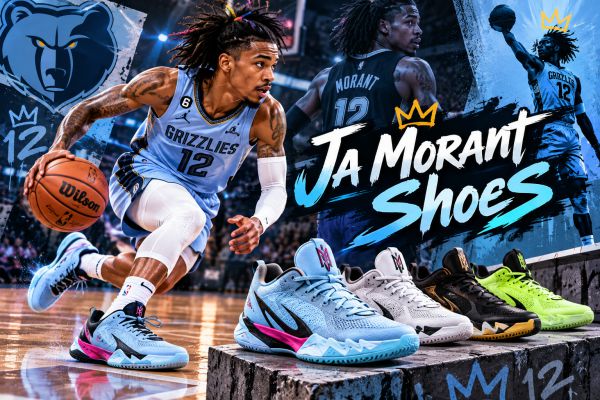
Ja Morant Shoes: Performance Breakdown & Court Impact Analysis
The introduction of Ja Morant shoes into the performance basketball market has completely redefined what explosive, high-flying guards expect from a signature line. Built in collaboration with Nike, the signature series (including models like the Ja 1 and Ja 2) mirrors Memphis Grizzlies star Ja Morant’s electrifying style—characterized by lightning-fast first steps, gravity-defying aerial finishes, […]