





If you are wondering, “Are Ja Morant Shoes Good?“, you are not alone. As one of Nike’s most popular signature basketball lines, Ja Morant’s signature sneakers (such as the Ja 1 and Ja 2) have gained massive attention for their eye-catching colorways, accessible price point, and direct connection to one of the NBA’s most electrifying guards. But beyond the hype and stylish aesthetic, how do these sneakers actually perform when you lace them up for a real game?
In this comprehensive performance review, we will analyze whether Ja Morant Shoes are good across all key performance metrics so you can decide if they deserve a spot in your basketball bag.
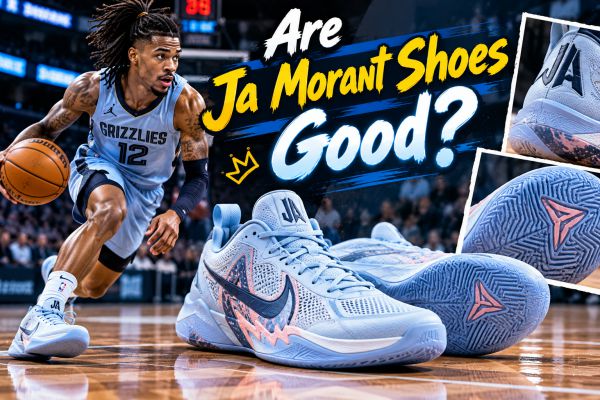
Are Ja Morant Shoes Good?
Detailed performance review: Are Ja Morant shoes good for basketball?
To answer whether these signature kicks are right for you, let’s break down their performance across playstyle compatibility, cushioning, traction, fit, and outdoor durability.
Which playstyle fits the Ja Morant shoe line?
Understanding who these shoes were designed for is the fastest way to determine if they will suit your personal game.
- Target Players: The Ja Morant signature line is explicitly engineered for quick, agile, and speed-dominant guards or wings. If your game relies on fast crossovers, sudden acceleration, euro-steps, and low-to-the-ground mobility, these shoes offer the exact profile you need.
- Limitations for Heavy Players: Because the line prioritizes lightweight speed over heavy structural bulk, bigger forwards or centers who require maximum ankle bracing and thick, maximalist cushioning might find the setup a bit too minimal for heavy post play.
Key evaluation of cushioning and traction
Cushioning and grip are the two make-or-break features of any modern performance basketball shoe.
- Cushioning Performance:
- Ja Morant shoes typically feature a forefoot Zoom Air unit paired with a lightweight phylon or foam midsole.
- This setup delivers exceptional court feel and instant springiness when pushing off for a sprint or drive. However, impact protection in the heel is firmer and more minimal compared to heavier plush setups like Adidas Boost or Nike Max Air.
- Traction Performance:
- Traction is easily one of the strongest features of the Ja Morant line.
- Featuring aggressive, multi-directional tread patterns, these shoes bite indoor hardwood courts exceptionally well. They allow for crisp, bite-heavy stops and sharp directional changes without slipping, making them top-tier for ball-handlers.
Fit dynamics and outdoor durability
Sizing accuracy and long-term durability determine whether these shoes offer great overall value for your money.
- Fit & Sizing:
- Ja Morant sneakers follow Nike’s signature snug, performance-fit profile. They lock your midfoot down tightly to prevent internal foot movement during hard cuts.
- Players with normal to narrow feet can comfortably go true-to-size, while wide-footed players should strongly consider going up half a size to avoid side-foot pinching.
- Outdoor Durability:
- The rubber outsole compound is optimized primarily for clean indoor courts.
- While the traction works great outdoors initially, playing frequently on rough concrete or abrasive asphalt will wear down the rubber grooves faster than dedicated outdoor or EP/XDR models.
Conclusion
So, are Ja Morant Shoes good? The short answer is yes—they are exceptionally good, provided your playstyle aligns with what they offer. If you are a quick guard who values lightweight agility, sharp traction, low-profile court feel, and an affordable signature price point, the Ja Morant line is one of the best choices on the market today. However, if you are a heavier player who demands plush, maximalist cushioning for joint protection or needs a long-lasting shoe exclusively for outdoor asphalt courts, you may want to explore heavier cushion-focused alternatives. Overall, for speed and responsiveness, Ja Morant shoes deliver fantastic performance that lives up to the hype.
Related Posts
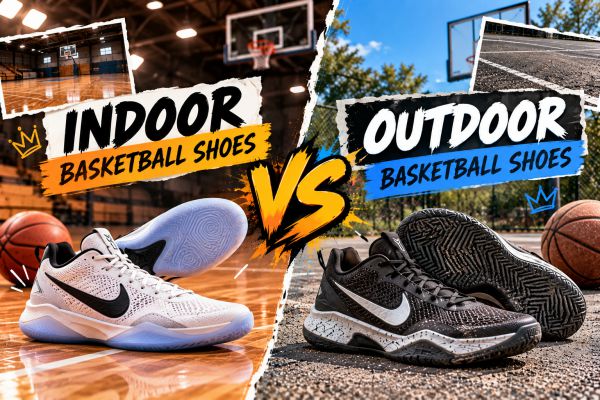
Basketball Shoes vs Training Shoes: Which One Do You Need?
Choosing between Indoor vs Outdoor Basketball Shoes is one of the most critical decisions a hooper can make when buying a new pair of kicks. While both types of basketball shoes may look nearly identical on the shelf, they are engineered with vastly different rubber compounds, outsole patterns, and upper materials. Wearing an indoor shoe […]
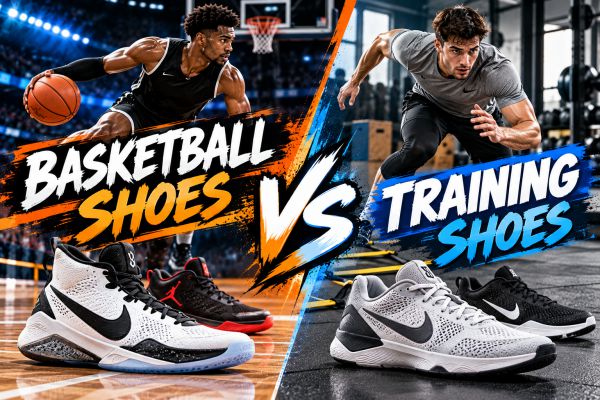
Basketball Shoes vs Training Shoes: Which One Do You Need?
Choosing between Basketball Shoes vs Training Shoes is a common point of confusion for athletes and gym-goers alike. At first glance, both sneaker categories appear to offer supportive uppers, cushioned midsoles, and durable outsoles designed for athletic movements. However, basketball shoes and cross-training shoes are engineered for entirely different physical demands, biomechanics, and surface interactions. […]
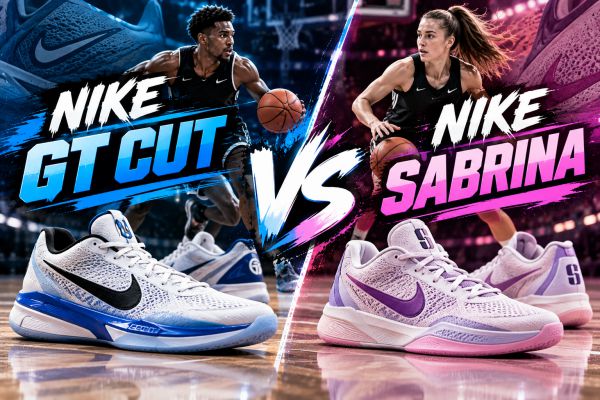
Nike GT Cut vs Nike Sabrina: How Do They Perform On Court?
Choosing between Nike GT Cut vs Nike Sabrina is a common dilemma for basketball players searching for the ultimate low-cut performance sneaker. Both signature and performance lines from Nike are built specifically with quick, agile hoopers in mind, offering exceptional court feel, lightweight support, and top-tier traction. However, while both shoes share a focus on […]
Nike Basketball Shoes vs Adidas Basketball Shoes: Which Brand Better Fits Your Game?
Choosing between Nike basketball shoes vs Adidas basketball shoes remains one of the most classic debates on the basketball court. Both sportswear giants dominate the market, boasting world-class athlete rosters, cutting-edge technologies, and performance lineups tailored to players of all skill levels. However, while both brands deliver top-tier performance, their underlying engineering philosophies, cushioning setups, […]